
 Custom Manufacture :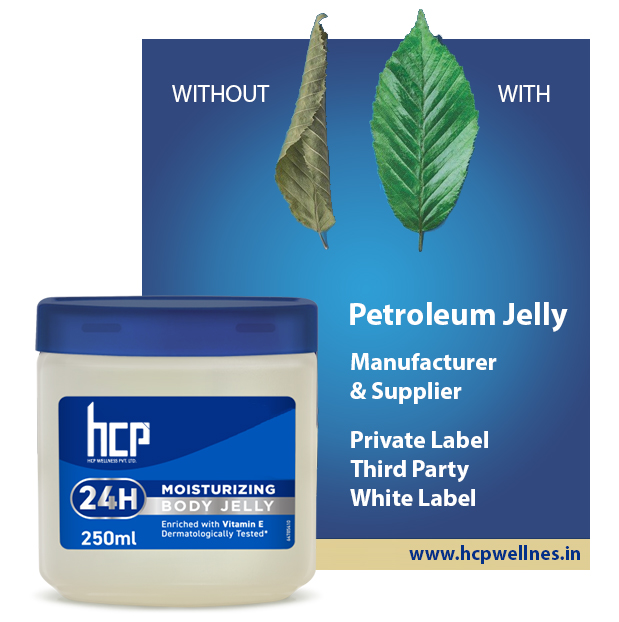
Contract manufacturing petroleum jelly products is a widely adopted model for cosmetic, personal care, pharmaceutical, and export-focused brands. Instead of investing in manufacturing infrastructure, brands partner with an experienced manufacturer who produces petroleum jelly products as per agreed specifications and volumes.
This approach allows brands to focus on branding, sales, and distribution while ensuring consistent product quality and uninterrupted supply.
What Is Contract Manufacturing of Petroleum Jelly?
Contract manufacturing of petroleum jelly is a long-term production arrangement where a manufacturer produces petroleum jelly products exclusively for a brand based on predefined specifications. Unlike short-term third party manufacturing, contract manufacturing usually involves fixed formulations, pricing structures, and supply commitments.
This model is commonly used for:
• White petroleum jelly products
• Pure petroleum jelly variants
• Petroleum jelly moisturizer bases
• Healing and protective jelly formulations
How Contract Manufacturing of Petroleum Jelly Works
The process starts with finalizing technical and commercial terms, including formulation type, quality standards, bulk quantity, and packaging format. Once specifications are locked, the manufacturer produces petroleum jelly using a controlled petroleum jelly manufacturing process involving purification, filtration, texture control, and stabilization.
Finished petroleum jelly is supplied in bulk or packed into retail formats as per the contract agreement. Regular quality checks ensure consistency across batches throughout the contract period.
Benefits of Contract Manufacturing for Brands
Contract manufacturing offers several advantages to brands:
• No investment in manufacturing plant or machinery
• Consistent product quality over long-term supply
• Predictable pricing and production planning
• Easy scalability through bulk petroleum jelly supply
• Reduced operational and compliance burden
This makes contract manufacturing ideal for established brands and exporters with recurring demand.
Contract Manufacturing vs Private Label vs Third Party
While these models are related, they differ in structure. Private label petroleum jelly focuses on branding flexibility, third party manufacturing offers short-term or flexible production, and contract manufacturing petroleum jelly is a structured, long-term supply arrangement with fixed specifications and volumes.
Manufacturers with strong production capability usually support all three models based on client needs.
Key Factors to Evaluate in a Contract Manufacturing Partner
Brands should evaluate:
• In-house petroleum jelly manufacturing capability
• Bulk production capacity and scalability
• Defined quality control systems
• Experience in long-term supply contracts
• Packaging and logistics support
Manufacturers who also operate as bulk petroleum jelly suppliers provide better supply reliability.
Why HCP Wellness
HCP Wellness offers contract manufacturing of petroleum jelly products with in-house production, controlled processes, and scalable bulk supply. The company supports cosmetic and pharmaceutical brands through long-term manufacturing partnerships focused on quality consistency and dependable supply.
Contract manufacturing of cosmetic manufacturer and petroleum jelly products is a strategic choice for brands seeking stability, scalability, and quality assurance without manufacturing complexity. By partnering with an experienced manufacturer, brands can ensure consistent product performance and long-term growth.

